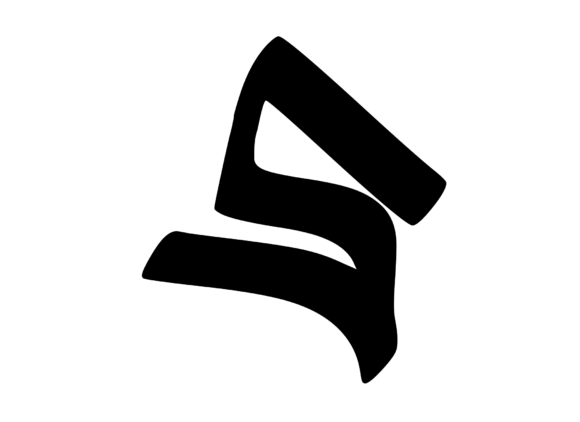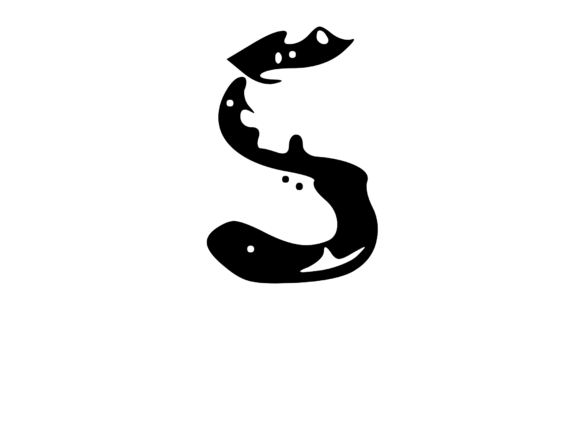
Decaying Rotten Mono Letter S
As a designer with years of experience in embroidery and digital product creation, I always approach new designs with a critical eye. Decaying Rotten Mono Letter S caught my attention not just for its bold aesthetic, but for how it could translate into real-world projects. This design isn’t just a visual statement—it’s a tool that can elevate or hinder a finished product depending on how it’s used.
The First Impression: A Design That Speaks Volumes
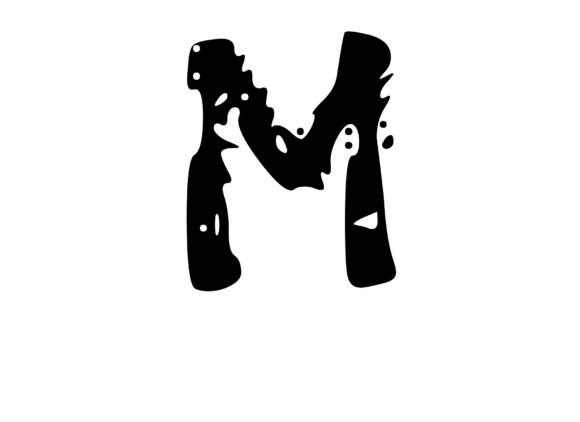
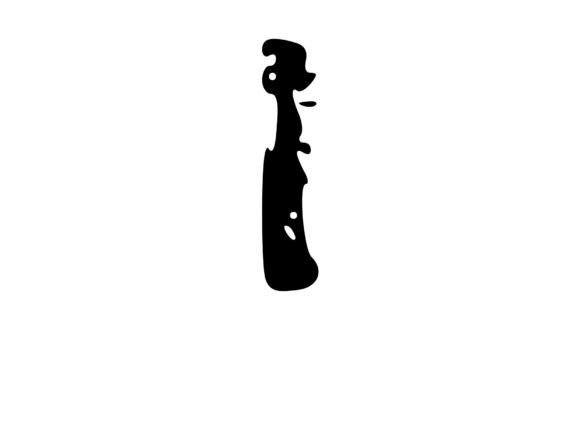
From the moment I opened the file, Decaying Rotten Mono Letter S felt like a character in a story. The decaying, almost grotesque texture of the letter “S” creates a mood that’s edgy, modern, and slightly unsettling. It’s perfect for those who want to stand out without being over the top. The shape is clean enough to work on a variety of surfaces, but the details are intricate enough to make an impact.
This design has a strong visual personality. It’s not subtle, and that’s okay. It’s meant to be noticed. Whether you’re creating a custom embroidered tote bag or a baby onesie, the letter “S” here feels like it belongs in a specific niche—perhaps something with a gothic, alternative, or punk vibe.
Real-World Embroidery Scenarios: Where It Shines and Stumbles
I tested Decaying Rotten Mono Letter S on several fabrics and projects. On a cotton tote bag, it looked sharp and professional. The stitch density was even, and the satin stitches held up well. But when I tried it on a thin, stretchy fabric like a t-shirt, the details started to blur. The lettering lost some definition, especially in the smaller curves.
For custom apparel, this design works best on medium to heavy-weight fabrics. It’s not ideal for baby clothes or items that require frequent washing. The intricate details might not hold up over time, especially if the fabric stretches or the stitches get worn down.
On a sweatshirt, the design stood out nicely, but I noticed that on dark backgrounds, the contrast wasn’t as strong as I’d hoped. If you’re using this for a holiday gift or a personalized product, consider testing it on both light and dark fabrics before finalizing your project.
Where to Use It Carefully: Practical Considerations
There are a few situations where Decaying Rotten Mono Letter S might not be the best choice. For example, if you’re working with small hoop sizes, the design may not fit properly. You’ll need to adjust the size or split the design into sections, which can complicate the stitching process.
Textured fabrics or thin materials can also be problematic. The lettering might not sit flat, and the stitch density could cause puckering. If you’re planning to use this on a cap or a curved surface, you’ll need to test it carefully. The corners of the letter might not come out cleanly, and the overall look could be distorted.
For commercial embroidery projects, it’s important to check the licensing terms before selling any finished products. Make sure you have the right to use this design in your craft business or Etsy shop. Also, confirm whether it’s suitable for both personal and commercial use.
Design Impact: Visual Appeal and Customer Perception
When it comes to visual appeal, Decaying Rotten Mono Letter S is a strong contender. It adds a unique touch to any project, making it more memorable. However, its success depends heavily on how it’s presented. A poorly executed embroidery job can turn a great design into a forgettable one.
Stitching clarity is key. If the design is too dense or the thread colors don’t contrast well, the final product might not look as intended. As a designer, I always recommend testing the design on scrap fabric first. This helps identify any issues before committing to a full project.
For handmade products or personalized gifts, this design can add value. It’s eye-catching and makes a statement, which can help your brand stand out in a crowded market. But it also needs to align with your target audience. If your customers are looking for something subtle or traditional, this might not be the right fit.
Embroidery Designer Notes: Practical Tips for Success
Here are a few notes I’ve gathered from working with Decaying Rotten Mono Letter S:
- Test on scrap fabric first to see how the design looks and performs.
- Check thread color contrast against the fabric to ensure visibility.
- Review stitch density to avoid overcrowding or gaps in the design.
- Confirm hoop size to make sure the design fits comfortably.
- Inspect small details to ensure they come out clearly during stitching.
- Test in black and white mockups to see how the design looks without color.
- Compare light and dark fabric backgrounds to determine the best application.
- Use proper stabilizer to prevent puckering or distortion.
- Check if the design works for both personal and commercial projects.
- Confirm licensing before selling finished items or digital products.
Final Thoughts: A Bold Choice for the Right Project
Decaying Rotten Mono Letter S is a design that demands attention. It’s not for everyone, but for those who want to create something unique, it offers a lot of potential. Whether you’re an Etsy seller, a small shop owner, or a creative entrepreneur, this design can be a powerful addition to your collection—if used correctly.
It’s important to remember that the success of any embroidery project depends on more than just the design itself. Fabric choice, stitch technique, and finishing touches all play a role. With the right approach, Decaying Rotten Mono Letter S can become a standout piece in your lineup of handmade products or digital design assets.