Film Reel with Mono I: A Hands-On Embroidery Review
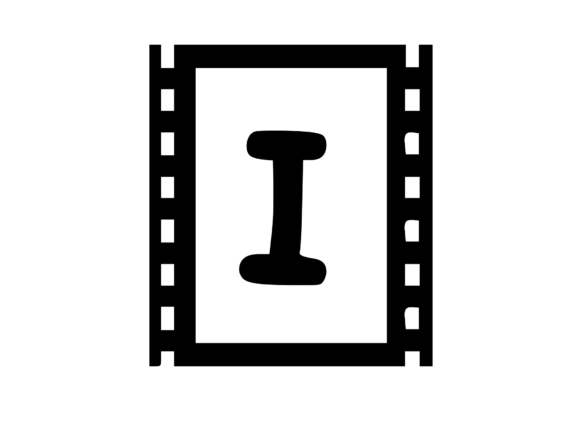
When I first opened Film Reel with Mono I, I immediately felt the retro cinematic mood it brings. The design pairs a classic film reel silhouette with a bold mono letter I, creating a look that feels both vintage and modern. As someone who reviews embroidery files for real project use, I pay attention to how a design lands visually before I even load it into my machine. This one lands well. The film reel has a strong circular structure with clear spoke lines and sprocket holes, and the mono I sits inside it with a clean, solid presence. It belongs naturally on items that want to say something about storytelling, creativity, or classic media. For crafts and graphics work, it offers a straightforward, recognizable theme that customers immediately understand.
The First Impression That Sticks
The mood of Film Reel with Mono I is nostalgic without being fussy. It feels like something you might see on a boutique tote bag at a film festival or on a sweatshirt worn by a media student. The layout is balanced: the reel frames the letter without crowding it, and the negative space around the center keeps the design readable from a distance. The detail level sits right in the middle—not too dense, not too sparse. The film reel spokes and edge details add visual interest without making the design feel busy. That kind of balance matters when you are producing items for a small shop or Etsy store. Customers want something that looks intentional, not cluttered.
The mono I itself carries a confident weight. It is not a thin, delicate letter that might disappear into fabric. It holds its own inside the reel. That matters for custom apparel and personalized gifts, where the letter often becomes the focal point of the piece. If you are monogramming a name or initial for a client, this design gives you a cinematic frame that elevates the letter beyond a simple font.
From Screen to Stitch: A Real Project Test
I tested Film Reel with Mono I on a custom tote bag made of medium-weight cotton canvas. I wanted to see how the design handled a flat, everyday surface that a small business might produce in bulk. The reel structure stitched cleanly. The outer circle and inner spokes formed well with satin stitch and fill stitch areas working together without puckering the fabric. The mono I sat solidly in the center, and the thread coverage felt even across the design.
I used a tear-away stabilizer on the back of the canvas, which worked fine for the stitch density of this file. The design did not pull the fabric out of shape, and the edges stayed crisp. I chose a warm gold thread for the reel and a deep navy for the letter I. The contrast worked beautifully. On a cream-colored tote, the design looked polished enough to sell at a craft fair or in an Etsy listing. I could easily see this same setup working on a sweatshirt embroidery or a baby embroidery project if you adjust the color palette to something softer.
For a second test, I ran the design on a cotton-poly blend tee. The fabric had a bit more stretch, so I switched to a cut-away stabilizer to keep the machine embroidery design stable. The result was just as clean. The film reel detail held up well through the wash cycle I ran afterward. No distortion, no loose threads. That kind of durability is essential for handmade product lines where customers expect the embroidery to last through regular wear.
Where Film Reel with Mono I Shines Brightest
This design fits a wide range of products, but some applications feel more natural than others. Here is where I think it performs best:
- Tote bag design – The circular shape works nicely as a centerpiece on a canvas tote. It feels artistic and intentional.
- Sweatshirt embroidery – On the chest area or centered on the back, the reel reads well as a statement piece.
- Embroidered patch – If you digitize it as a patch design, the film reel shape lends itself to a clean sew-out that can be applied to jackets or backpacks.
- Pillow cover – For a home decor item, the vintage cinema feel adds character to a throw pillow without being overwhelming.
- Holiday embroidery – For a film lover or media professional, this design makes a thoughtful holiday gift or wedding gift when paired with a relevant quote or date.
- Boutique branding – If you run a small shop that sells custom accessories, this design works as a recurring motif across your product line.
For digital product sellers, the design also works in printable mockup form. You can show the file on a tote or tee in your shop listing, and the visual clarity of the reel and letter makes for an attractive preview that helps buyers imagine the finished item.
The Moments That Call for Caution
No design is perfect for every surface, and Film Reel with Mono I has a few areas where I recommend taking extra care. The spokes inside the film reel are narrow. If you are working with a small hoop size, those thin lines may become difficult to stitch cleanly. I suggest using at least a 4x4 hoop for this file, and larger if you want to preserve the detail of the sprocket holes along the reel edge.
Textured fabrics like fleece or bouclé can soften the sharpness of the reel edges. The satin stitch areas need a smooth surface to maintain their crispness. If you are stitching on a fleece blanket or a chunky knit, test a sample first to see whether the details hold. On stretchy fabric like jersey knit, the circular shape can distort during stitching if you do not use the right stabilizer. A cut-away stabilizer with medium weight is your friend here.
Curved surfaces like caps present a challenge for any circular design. The film reel might not sit perfectly flat on a cap curve, especially if the design is larger than two inches. If you plan to embroider this on a cap, I would scale the file down and test it on a curved hoop to confirm the alignment.
For dark fabric, the thread color contrast becomes critical. If you use a dark thread for the reel on a black or navy background, the spoke details can disappear. Light or metallic threads work best to preserve the film reel structure. On thin fabric, the stitch density may cause some show-through. A layer of cut-away stabilizer and a lightweight topping will solve that issue.
What This Design Does for Your Product Line
From a business perspective, Film Reel with Mono I adds a distinct visual personality to your craft business inventory. It is not a generic script monogram or a common floral. It is a conversation starter. Customers who love film, media production, or vintage aesthetics will recognize the theme and feel a personal connection. That recognition builds customer trust and makes your handmade presentation feel more curated.
The design also carries strong giftability. A tote or sweatshirt with this embroidery works for birthdays, holidays, graduation gifts, or even as a personalized item for a media professional. The mono I allows for customization, which is a major selling point in personalized products. Buyers can choose a letter that matches their name or the name of the recipient. That personal touch often leads to higher engagement in your shop and more repeat orders.
For apparel decorators and commercial embroidery clients, the film reel motif can be used as a consistent brand element across multiple items. Imagine a media company ordering embroidered polos for their staff with the reel and their company initial. The design reads as professional but not corporate. It keeps a creative edge.
Practical Notes Before You Press Start
Before you use Film Reel with Mono I in a real project, here are the practical steps I always take when reviewing an embroidery file for the first time:
- Test on scrap fabric first. Run the design on a piece of similar fabric to your final product. Check for any issues with stitch alignment, density, or thread breaks.
- Review thread color contrast. The film reel has internal details that need clear contrast to be visible. Test your chosen colors in both natural and artificial light.
- Check stitch density. If the file feels too dense for your fabric, consider reducing the density in your software or using a lighter stabilizer.
- Confirm hoop size. Make sure your hoop can accommodate the full design without the need to rehoop. Rehooping a circular design can cause alignment issues.
- Inspect small details. The sprocket holes and spoke lines should be clean. If your machine struggles with tiny elements, you may need to scale the design slightly larger.
- Test in black and white mockups. Seeing the design in grayscale helps you evaluate the contrast and readability without the distraction of color.
- Compare light and dark fabric backgrounds. The same thread color can look dramatically different on white versus black fabric. Test both if you plan to offer the product in multiple colors.
- Use proper stabilizer. For most woven fabrics, a medium-weight tear-away works. For knits and stretch fabrics, use cut-away stabilizer to prevent distortion.
Licensing, Sales, and Digital Product Use
Before you sell finished items or digital products featuring Film Reel with Mono I, verify the licensing terms that came with your purchase. The product description states it is a great choice for all artists, designers, and crafters, and that it can be used to decorate or craft with. But you need to confirm whether the license covers commercial embroidery and the sale of finished products. If you are an Etsy seller or small shop product maker, make sure the license allows you to produce and sell items featuring this design. Some files come with restrictions on the number of physical items you can produce or the types of products you can sell. Check before you invest time and materials.
If you plan to sell digital embroidery file versions of this design, you likely need a separate resale license. The description suggests using the SVG to decorate or craft with, which implies personal and possibly small-scale commercial use, but always confirm with the seller. Transparency in licensing builds trust with your customers and protects your business.
For printable mockup use, the design works as a standalone graphic on product previews. Just ensure that your mockup usage aligns with the license terms. Some designers allow mockups in listings for finished products but restrict distribution of the raw digital file.
Film Reel with Mono I has real potential for anyone running a handmade shop, creating custom apparel, or building a craft business around personalized gifts. It offers a recognizable theme, solid stitching performance on most surfaces, and a visual personality that stands out without overwhelming the product. With proper testing and attention to fabric choice, stabilizer, and thread contrast, this design can become a reliable piece in your project lineup. Whether you are stitching a one-off gift or building a product line for your small shop, the film reel and mono I combination delivers a look that customers will notice and remember.