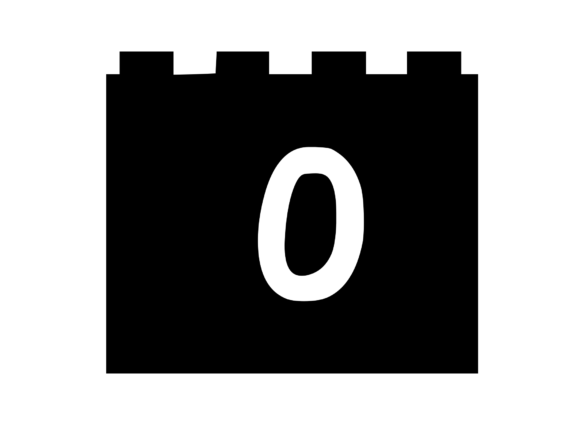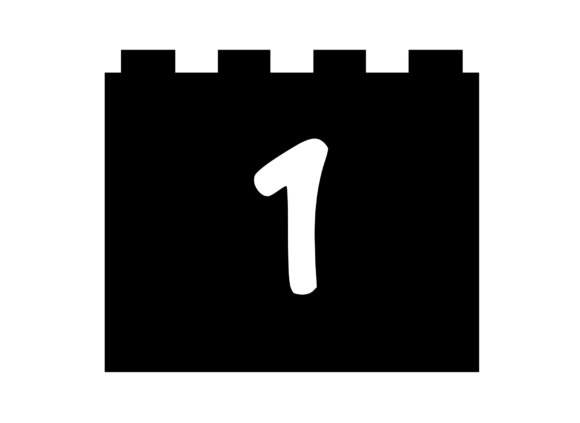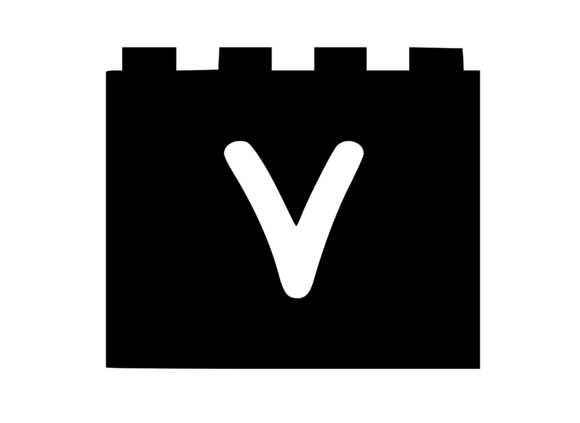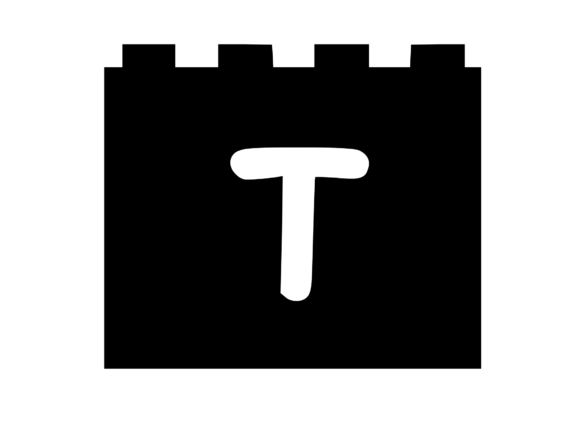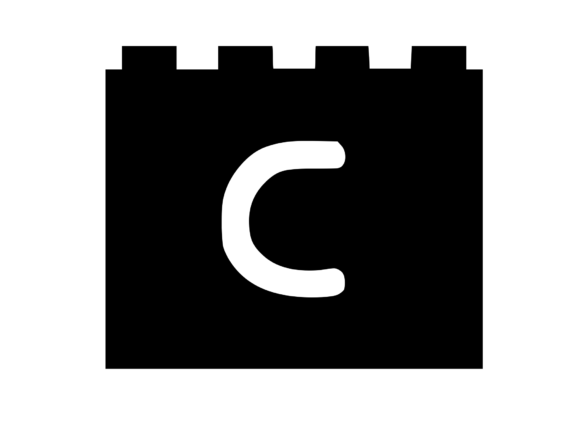
Kids Toy Construction Brick Mono C
As an embroidery designer and product reviewer, I always start by evaluating a design’s potential for real-world use. Kids Toy Construction Brick Mono C caught my attention with its clean, modern aesthetic and strong visual identity. It’s a design that feels like it belongs in the world of handmade products, custom apparel, and personalized gifts. But does it hold up under the pressure of actual embroidery work? Let’s dive into what this design offers and where it might fall short.
First Impressions: A Design That Speaks to Creativity
Kids Toy Construction Brick Mono C has a bold, minimalist vibe that immediately sets it apart. The shape is simple but effective—clean lines and a structured layout make it ideal for a variety of projects. Its theme is playful yet professional, which makes it perfect for baby items, children’s clothing, or even as a decorative element on tote bags and aprons. The design doesn’t scream “childish” but rather exudes a sense of fun and creativity that can appeal to both kids and adults.
The level of detail is just right. It’s not overly complex, which means it won’t overwhelm smaller hoop sizes or delicate fabrics. But it still has enough character to stand out when stitched. This makes it a great choice for embroidery designers looking for something that can be used in multiple ways without requiring too much technical adjustment.
Real-World Embroidery Use Cases
When considering how Kids Toy Construction Brick Mono C would perform in real-life embroidery situations, several use cases come to mind. For example, imagine using it as a custom apparel design on a sweatshirt or t-shirt. The simplicity of the design allows it to be placed in various locations without looking cluttered. It also works well as a tote bag design, especially for small businesses or Etsy sellers looking to create unique, eye-catching merchandise.
Another practical application is as an embroidered patch. The design’s structure makes it easy to adapt for different sizes and placements. Whether you're making a patch for a jacket, backpack, or hat, it maintains its clarity and visual impact. It also pairs well with satin stitch and fill stitch techniques, giving it a polished look that stands out on fabric.
For baby embroidery, this design could be a great addition to onesies, blankets, or nursery decor. Its clean lines and limited color palette make it versatile for both light and dark fabrics. However, I’d recommend testing it on a few different materials before committing to a large batch of baby clothes.
Where to Be Careful: Potential Challenges
While Kids Toy Construction Brick Mono C is generally user-friendly, there are a few areas where caution is needed. If you’re working with small hoop sizes, this design may require some trimming or resizing to fit properly. Similarly, if you’re planning to embroider it on textured fabrics or thin, stretchy materials, you’ll need to ensure proper stabilizer is used to prevent distortion or puckering.
On dark fabric, the design may not show up as clearly, so choosing the right thread colors is crucial. For layered garments or curved surfaces like caps, the design might require some adjustments to maintain its shape and definition. Also, if you’re working with dense stitch areas, be mindful of how the design interacts with other elements to avoid overcrowding.
Impact on Visual Appeal and Customer Perception
One of the biggest advantages of Kids Toy Construction Brick Mono C is how it enhances the visual appeal of any project. Its clean, modern look adds a touch of professionalism that can elevate a handmade product or personalized gift. When stitched correctly, it can make a significant difference in how customers perceive the quality and effort behind your work.
From a customer trust perspective, this design is a safe bet. It’s straightforward enough that even beginners can use it effectively, but it also has enough sophistication to appeal to more experienced embroiderers. It’s a good choice for Etsy sellers or craft business owners who want to offer high-quality, visually appealing designs without overcomplicating their workflow.
Practical Designer Notes for Using Kids Toy Construction Brick Mono C
Before jumping into a full project, I always recommend testing the design on scrap fabric first. This helps identify any issues with stitch density, thread color contrast, or stabilizer needs. It’s also a good idea to review the file size and hoop compatibility to ensure it fits your machine’s capabilities.
If you’re planning to sell finished items or digital products, check the licensing terms carefully. While the design seems suitable for both personal and commercial use, it’s always better to confirm before moving forward. Additionally, compare the design on light and dark fabric backgrounds to see how it performs in different scenarios.
Finally, don’t forget to use proper stabilizer and inspect small details before finalizing your project. These small steps can make a big difference in the overall quality of your embroidery project and the satisfaction of your customers.