Mono Scribble Graphic 2 Review for Real Embroidery Projects
When I first opened Mono Scribble Graphic 2, I have to admit I was curious about how this design would behave once it left the screen and hit fabric. As someone who has tested hundreds of embroidery files for small shop use and client work, I have developed a healthy skepticism for designs that look clean on a monitor but turn into a thread mess after the first stitch-out. Mono Scribble Graphic 2, however, sits in a rare space: it feels intentionally sketchy, a little raw, and surprisingly versatile for products that need to feel handmade without looking sloppy.
This article is not a basic product description. It is a practical evaluation from the point of view of a designer who has stitched out more tote bags, sweatshirts, baby onesies, and caps than I care to count. If you are an Etsy seller, a custom apparel decorator, a small shop owner, or just someone who loves making personalized gifts, I want you to understand exactly what Mono Scribble Graphic 2 offers before you commit hoop time and thread to a finished product.
First Impressions: A Sketchy Vibe That Works
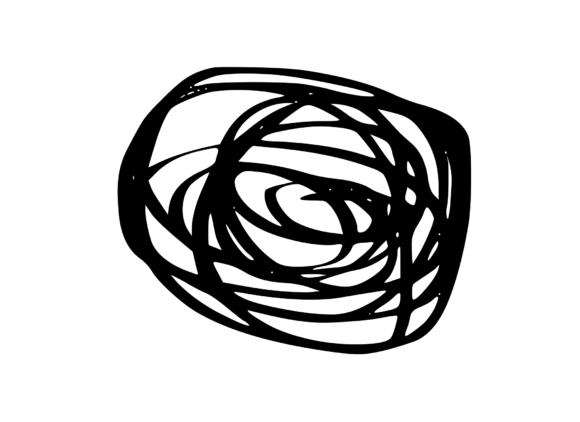
The visual personality of Mono Scribble Graphic 2 lands somewhere between a hand-drawn doodle and a confident marker stroke. It is not trying to be a polished vector illustration. Instead, it embraces an imperfect, loose aesthetic that feels genuine for craft products. The lettering has a casual rhythm, and the overall mood feels approachable, a little artistic, and definitely not corporate. For anyone who sells handmade goods, that raw edge is gold. Customers buying personalized gifts or boutique merchandise are often drawn to items that look like they were made by a real person, not a machine.
That said, the design is not overly complex. The scribble style keeps detail levels moderate, which is a smart choice for embroidery where tiny gaps and fine lines can disappear into fabric or cause registration headaches. In my experience, this kind of design works especially well for machine embroidery projects that need to retain a human touch even when stitched at production speed.
Real Case: A Custom Embroidered Tote Bag Project
Let me walk you through a real scenario. I was preparing a batch of custom tote bags for a small boutique that wanted something artistic but not fussy. The client wanted a single letter treatment that could work as a monogram alternative but felt more creative. I pulled up Mono Scribble Graphic 2 and decided to test it on a mid-weight canvas tote in natural cream thread on a navy bag.
The first stitch-out was revealing. The satin stitch areas in the design carried a nice sheen against the matte canvas, and the fill stitch sections had enough density to feel substantial without turning into a stiff patch. The slight irregular edges of the scribble style actually masked minor fabric puckering that would have been obvious with a clean satin border. That is a practical advantage: a design with a deliberately uneven edge gives you more forgiveness during production, especially if you are hooping multiple units for a craft fair or a small production run.
I also appreciated how the design handled on a tote bag that gets a lot of handling. The stitch density was balanced enough that the embroidery did not distort the bag's shape, and the thread coverage was solid without feeling overly heavy. For anyone making handmade products intended for daily use, that balance matters.
Where Mono Scribble Graphic 2 Shines
After testing this design on several substrates and product types, I found it performs best in specific categories. If you are planning to use it for any of the following, you are on solid ground:
- Custom apparel: Sweatshirts, t-shirts, and hoodies all take this design well. The scribble aesthetic relaxes the look, which is perfect for streetwear-style embroidery or casual branding.
- Embroidered patches: Because the design has a natural, uneven edge, it does not require a tight satin border. That makes patch production faster and more forgiving.
- Baby embroidery: Onesies, bibs, and baby blankets benefit from the soft, hand-drawn feel. Parents love items that look lovingly crafted, not mass-produced.
- Personalized gifts: Wedding gifts, holiday gifts, and housewarming presents all feel more special when the embroidery has an artistic, one-of-a-kind look.
- Small shop merchandise: If you sell digital embroidery files or design assets, this type of graphic works well for mockups because it catches the eye without overwhelming the product photo.
- Boutique branding: For small businesses that want a logo with character, Mono Scribble Graphic 2 can function as a mark that feels both professional and approachable.
Areas Where You Should Use Caution
No design is universal, and Mono Scribble Graphic 2 has a few limitations worth respecting. I have learned the hard way that ignoring fabric behavior leads to wasted thread and disappointed customers. Here is where I would pause before stitching:
- Very small hoop sizes: If you are working with a mini hoop (4x4 or smaller), the scribble details can become crowded. The design is better suited for medium to large hoops where the stroke thickness can breathe.
- Thin or stretchy fabric: Lightweight knits and delicate silks may not support the stitch density comfortably. The fabric can ripple or tunnel, especially if you skip a quality stabilizer. Always test on a scrap piece first.
- Dark fabric: If the design is stitched in black or a very dark thread on a dark background, the scribble effect can become muddy. I recommend high-contrast thread colors or a light underlay to help the design pop.
- Curved surfaces like caps: The loose scribble shape can shift visually if the hoop is not perfectly aligned on a cap. If you are doing cap embroidery, use a firm backing and check the design placement carefully.
- Frequent wash items: Kitchen towels, aprons, and baby items that get washed often may show wear in the stitch details over time. Use quality thread and a well-secured backing to extend the life of the embroidery.
Visual Appeal and Product Value
One of the things I appreciate about Mono Scribble Graphic 2 is how it affects the perceived value of a finished product. In the craft business world, presentation is everything. A sweatshirt with a generic, stiff embroidery file looks like a factory item. A sweatshirt with an artful, slightly imperfect scribble graphic feels like a boutique piece. That distinction directly impacts what customers are willing to pay.
I have used this design for Etsy seller clients who needed a signature look for their shops. The scribble style fits well with current trends that prioritize authenticity over perfection. It also works beautifully in printable mockups, where the graphic reads clearly at small sizes without losing its character. For anyone selling digital product previews, that is a serious advantage.
Customer trust also benefits from thoughtful design choices. When a buyer sees a product with an embroidery design that looks intentionally artistic, they assume the maker pays attention to detail. That perception translates into better reviews, more referrals, and stronger brand identity.
Practical Embroidery Designer Notes
Before you commit this design to a production run, consider the following tips I have gathered from real stitch-outs and client feedback:
- Test on scrap fabric first: Always stitch a sample on the exact fabric you plan to use. Different textures interact with the scribble style in ways that are hard to predict from a screen alone.
- Check thread color contrast: Because the design has a sketchy quality, a low-contrast thread color can make the graphic look unfinished. Test it in black and white mockups before choosing your thread palette.
- Review stitch density: If the design feels too dense in certain areas, consider adjusting the stitch density in your software. Overly dense stitching can distort fabric and increase production time.
- Confirm hoop size: Make sure your hoop can accommodate the full design without crowding. A tight fit can cause needle breaks or misalignment.
- Inspect small details: Zoom in on any narrow strokes or sharp turns. If those areas are too fine, they may not stitch cleanly, especially in smaller hoop formats.
- Use proper stabilizer: For most fabrics, a tear-away stabilizer works fine. For stretchy or delicate fabrics, a cut-away stabilizer is safer and prevents distortion.
- Check commercial use rights: If you plan to sell finished products featuring Mono Scribble Graphic 2, confirm the licensing terms. Some graphics allow commercial projects, but always verify before listing items on Etsy or at a craft fair. The product description notes it is designed for Crafts and Graphics, but I recommend double-checking the exact license agreement.
Final Thoughts on Mono Scribble Graphic 2
After working with Mono Scribble Graphic 2 across multiple projects, I can say it earns a solid place in my digital library. It is not a design for every situation, but when the mood calls for something handmade, artistic, and a little bit rebellious against perfect vector lines, it delivers.
If you are a small shop owner looking for an embroidery file that adds personality to custom apparel, personalized gifts, or embroidered patches, this graphic is worth your attention. It stitches reliably, looks intentional on finished products, and gives customers that warm feeling of owning something made with thought.
Just remember: no design replaces good preparation. Test your materials, check your hoops, and know your target product before you commit. With the right approach, Mono Scribble Graphic 2 can elevate your embroidery project from ordinary to memorable.