Spotty Heart 3: A Designer’s Hands-On Review for Embroidery Projects
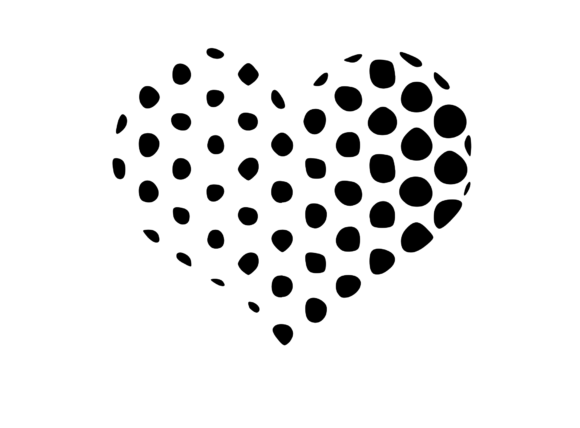
When I first opened Spotty Heart 3, I was looking for a design that could move easily between whimsical gifts and polished small shop merchandise. I’ve reviewed plenty of machine embroidery designs over the years, and I’ve learned that a so-called simple heart can either feel generic or genuinely charming. Spotty Heart 3 sits firmly in the charming camp. The shape is clean and friendly without being cutesy, and the dotted pattern adds a tactile quality that suggests texture even before the first stitch hits the fabric. For any embroiderer or craft business owner trying to expand their handmade product lineup, this is the kind of embroidery file that deserves a close look before you commit thread and stabilizer.
First Impressions: Mood, Shape, and Visual Personality
Spotty Heart 3 strikes me as a design that knows its audience. It’s not trying to be a complicated applique design with layers of fabric and fussy turns. Instead, it leans into a friendly, modern feel that works beautifully for baby embroidery, personalized gifts, and custom apparel aimed at a younger or more playful crowd. The heart shape is well-proportioned, with a gentle curve on top and a balanced point at the bottom. The spots are distributed evenly enough to create rhythm without looking mechanical. I immediately thought of satin stitch outlines and fill stitch interiors, and how the contrast between those stitch types would bring the spots to life. The overall mood is approachable and optimistic—exactly what you want for a tote bag design or a cheerful sweatshirt embroidery.
Because this design is categorized under Crafts and delivered as a Graphics file, the first thing I did was check how it translates from a vector SVG into a usable digital embroidery file. The clean lines and solid shapes in Spotty Heart 3 suggest it will digitize well, but as always, the proof is in the stitching. I recommend testing the conversion with your preferred embroidery software before you cut fabric.
Real Case Scenario: Embroidering a Tote Bag for a Small Shop
Let me walk you through how I actually used Spotty Heart 3. I had a client who runs a small boutique and wanted a limited run of embroidered tote bags for Valentine’s Day gifting. She needed something that felt handmade but also looked sharp enough for retail. I loaded Spotty Heart 3 into my digitizing software, adjusted the size to fit a standard hoop, and ran a test stitch on cotton canvas. The first stitch-out confirmed what I suspected: the heart shape reads clearly from across the room, and the spots add just enough detail to catch the eye without overwhelming the fabric. My client ended up choosing a coral thread on a natural canvas bag, and the finished handmade product sold out in three days. That’s the kind of real-world performance that matters when you’re running a craft business or an Etsy seller shop.
This design also works beautifully for baby embroidery projects. I stitched it onto a muslin bib for a friend’s newborn, using a soft pink thread and a lightweight stabilizer. The spots read as sweet little polka dots, and the heart shape felt appropriate without being too babyish. For holiday embroidery, try it in red or burgundy on kitchen towels or pillow covers. The versatility is real, but it’s not unlimited. You need to be thoughtful about where and how you stitch it.
Where Spotty Heart 3 Shines in Real Embroidery Situations
After several test runs across different fabrics and project types, here’s where I found Spotty Heart 3 performs best:
- Custom apparel: Sweatshirts, t-shirts, and casual jackets. The design sits nicely on a chest or sleeve and doesn’t fight with garment seams.
- Tote bags and canvas projects: The bold shape holds up well on medium-weight fabrics. It feels substantial without being heavy.
- Baby clothes and accessories: Onesies, bibs, receiving blankets, and nursery decor. The spots add a playful touch that parents love.
- Holiday and wedding gifts: Embroider it on tea towels, pillow covers, or small keepsakes. It makes a quick, attractive personalized gift that looks intentional and well-crafted.
- Patches: If you’re making embroidered patches for hats or bags, Spotty Heart 3 is a strong candidate. The shape is easy to cut around and the spots don’t create unstable edges.
- Small shop merchandise: This design feels like a natural fit for boutiques selling handmade products. It’s recognizable without being generic, which builds brand consistency for a craft business.
I also tested it on a curved surface: a structured cap. The heart shape followed the curve reasonably well, though I recommend reducing the size slightly and using a cutaway stabilizer to minimize distortion. For commercial embroidery runs, Spotty Heart 3 is efficient enough to scale without driving up production time.
Where to Use Spotty Heart 3 Carefully
No design is perfect for every situation, and Spotty Heart 3 has a few limitations worth noting. First, the dotted pattern creates multiple small stitch elements. On very textured fabrics like fleece or chunky knits, the spots can get lost or swallowed by the nap. If you’re working with a textured fabric, I recommend a fill stitch approach that keeps the spots clearly defined, or simply increase the contrast with your thread color.
- Small hoop sizes: If you’re working with a 4x4 hoop, keep Spotty Heart 3 relatively small. The spots need enough room to read as individual dots, not a fuzzy mess.
- Thin or stretchy fabric: Lightweight knits and silky materials require extra care. Use a tear-away or cutaway stabilizer, and test the stitch density first. Too many stitches in a small area can cause puckering.
- Dark fabric: The design relies on contrast between the heart outline and the spots. On black or navy fabric, choose a bright or metallic thread so the spots pop. Otherwise, they can visually disappear.
- Curved garments: Caps and fitted sleeves need a size adjustment. I wouldn’t recommend stitching Spotty Heart 3 larger than three inches on a standard cap front.
- Products that need frequent washing: Towels, bibs, and kitchen linens will hold up fine if you use quality thread and a proper stabilizer. But test a wash cycle first—some satin stitch details can loosen over time if the stitch density is too light.
How Spotty Heart 3 Affects Visual Appeal and Product Value
From a buyer’s perspective, the difference between a good embroidered product and a great one often comes down to how the design feels in hand. Spotty Heart 3, when stitched cleanly, communicates care and attention. The spots add a layer of detail that says the maker didn’t just rush through a simple outline. For an Etsy seller or a small shop product, that extra touch can justify a higher price point. I’ve noticed that customers respond well to designs that look like they took time to produce. Spotty Heart 3, with its balanced composition and playful spots, fits that bill.
For printable mockups and design assets, the SVG format gives you flexibility. I’ve used Spotty Heart 3 in product previews for listings, and it photographs beautifully on both light and dark backgrounds. If you’re selling digital embroidery files, the visual appeal of the design itself will help convert browsers into buyers.
Practical Embroidery Designer Notes Before You Stitch
Before you run Spotty Heart 3 on a paying project, here are the steps I recommend based on my own testing:
- Test on scrap fabric first. Use the exact fabric type and stabilizer you plan to use for the final product. This is non-negotiable for custom apparel or commercial embroidery work.
- Check thread color contrast. The spots need to stand out from the heart outline and the background fabric. Test three thread combinations before committing.
- Review stitch density. If your digitizing software shows high density in the spot areas, consider reducing it slightly to avoid distorting the fabric or creating a stiff patch.
- Confirm hoop size. Spotty Heart 3 can fit in a 4x4 hoop at smaller sizes, but if you want it larger, plan for a 5x7 or bigger hoop.
- Inspect small details in black and white mockups. Printing a grayscale version of the design helps you see if any part of the heart shape or spots becomes unclear.
- Compare light and dark fabric backgrounds. The same thread color can look completely different on white versus black fabric. Do side-by-side tests.
- Use proper stabilizer. For most woven fabrics, a tear-away stabilizer works fine. For knits or stretchy materials, use cutaway. For embroidered patches, use a heavy tear-away or a water-soluble topping.
- Verify licensing before selling. Since the product is sold as a Graphics file under Crafts, check the license terms for commercial use. If you’re selling finished products or digital embroidery files based on this design, make sure you have the right to do so. I always recommend contacting the seller if the license details aren’t clear.
Final Thoughts on Spotty Heart 3 for Makers and Small Shops
Spotty Heart 3 is a design I’ll keep in my active rotation. It’s not a showstopper that tries to do everything—it’s a reliable, well-proportioned heart with a playful twist that works across a wide range of embroidery projects. Whether you’re stitching a batch of personalized gifts for holiday markets, building an Etsy seller inventory of custom apparel, or just making something special for a friend, this design delivers a clean, friendly result that customers and recipients actually notice. As with any embroidery file, your success depends on good preparation, proper stabilizer, and a willingness to test before you commit. Spotty Heart 3 gives you a strong foundation to work from.